

Remote networking is essential for career growth, especially in a world where remote work is the norm. Here’s how to build a strong professional network from anywhere:
- Optimize Your LinkedIn Profile: Use keywords like "remote" and highlight skills/tools like Slack, Zoom, or Asana.
- Join Online Communities: Connect with professionals in Slack groups, forums, and niche platforms like RemoteWoman or Nomad List.
- Attend Virtual Events: Participate in webinars and conferences to meet industry leaders and peers.
- Schedule Virtual Coffee Chats: Build deeper connections with one-on-one video calls.
- Collaborate on Remote Projects: Contribute to open-source initiatives or team projects to showcase your skills.
- Personalize Outreach: Tailor LinkedIn requests and emails to show genuine interest.
- Share Content: Post insights, articles, or lessons learned to stay visible and relevant.
- Use Tools Wisely: Platforms like Slack, Meetup, and Reddit can help you connect with the right people.
- Set Goals and Track Progress: Define clear networking objectives and measure your efforts.
- Maintain Relationships: Regular check-ins and thoughtful follow-ups keep connections alive.
- Seek Mentorship: Learn from others while offering guidance to less experienced professionals.
- Engage in Team-Building: Participate in virtual activities to strengthen professional bonds.
- Leverage Video Calls: Use video for more personal and engaging interactions.
- Prepare an Elevator Pitch: Craft a concise introduction to leave a strong impression.
Quick Comparison of Networking Platforms
| Platform | Best For | Key Features | Cost |
|---|---|---|---|
| Professional branding, job search | 900M+ users, robust tools | Free / $29.99+ | |
| Slack | Real-time collaboration | Niche communities, instant messaging | Free / $8.75+ |
| Meetup | Interest-based networking | Event planning, RSVP tools | Free / $23.99+ |
| Remote Success Hub | Remote-focused networking | Tools, guides, and mentorship | Free / Premium varies |
These tips and tools will help you build a strong, remote-friendly network and unlock career opportunities. Start small, stay consistent, and focus on meaningful connections.
How to Network in a Virtual Setting || Remote Networking || Building Connections||
Remote Networking Basics
Building a strong remote network starts with understanding the importance of authentic connections. People can easily tell when interactions feel insincere or self-serving, so genuine engagement is key.
With the rise of remote work, maintaining a professional online presence has become more important than ever. In fact, 84% of professionals believe that virtual networking is a crucial part of career success. But effective networking isn’t about collecting as many contacts as possible; it’s about forming meaningful relationships. By understanding your colleagues’ needs and offering value – whether through shared insights, introductions, or relevant resources – you create a mutually beneficial dynamic that fosters growth and learning. As Chaz Volk from Mr. Thrive Media aptly says:
"I live by the quote, ‘If you’re the smartest one in the room, then you’re in the wrong room.’"
Staying engaged is equally important. Thoughtful comments on LinkedIn posts, sharing articles, or actively participating in industry forums show your commitment to these connections. Your digital presence should also reflect who you are professionally. Use consistent branding, professional photos, and summaries that clearly showcase your skills and goals. Posting relevant content and interacting with your network regularly keeps your connections alive and active.
For remote professionals in the U.S. working with global teams, managing time zones is a unique challenge. Even a one-hour difference can complicate real-time communication, with 43% of synchronous interactions happening outside local business hours. For every additional hour of time zone separation, synchronous communication drops by 11%.
| Communication Type | Timing | Scheduling Required | Best For |
|---|---|---|---|
| Synchronous | Real-time | Yes | Team building, brainstorming, urgent discussions |
| Asynchronous | Delayed | No | Updates, detailed feedback, documentation |
Balancing these communication styles is essential. Set clear expectations for response times and preferred communication windows. Tools like World Time Buddy can help coordinate meetings across time zones, and rotating meeting times ensures no one group is consistently inconvenienced.
When face-to-face interactions aren’t an option, virtual meeting etiquette becomes critical. Test your technology in advance, ensure clear audio and lighting, and come prepared with talking points. After the meeting, follow up with personalized messages or relevant resources to solidify the connection.
Consistency is key in remote networking. With only 38% of remote employees feeling engaged at work and 53% reporting feelings of isolation, your efforts to connect can make a meaningful difference. By staying engaged and intentional, you can combat professional disconnection and build valuable relationships that enhance your career.
These principles lay the groundwork for more targeted strategies to strengthen your remote connections.
1. Optimize Your LinkedIn Profile for Remote Opportunities
Think of your LinkedIn profile as your digital business card – it’s often the first impression recruiters get of you. With recruiters increasingly relying on specific keywords to find remote talent, fine-tuning your profile can significantly improve your visibility and connection requests.
Start with your headline – this is one of the first things recruiters notice in search results. Instead of just listing your job title, highlight your remote work expertise and key skills. For example:
"Remote Content Marketing Manager | SEO & Social Media Expert | Helping Brands Tell Their Stories"
is far more engaging than simply writing "Content Marketing Manager". It immediately communicates your remote work capability and what you bring to the table.
Write an engaging About section that emphasizes your remote work experience. Begin with a strong opening to grab attention, mention essential skills like communication, project management, and collaboration, and include specific achievements in remote settings. For example, you might share how you successfully managed a distributed team or completed a major project remotely. Wrap it up with a call to action, like: "Let’s connect to discuss how I can contribute to your remote team!".
Revamp your Experience section with remote work in mind. Use terms like "remote", "virtual", or "telecommute" in your job titles and descriptions to make your profile more searchable. When showcasing your accomplishments, use measurable results. For instance:
- "Boosted team productivity by 25% by improving virtual communication processes."
- "Led a remote team of 10 to complete projects 15% faster than projected timelines.".
Highlight relevant skills and tools by listing up to 50 skills and pinning your top three for maximum visibility. Focus on remote-friendly abilities like time management, communication, and self-motivation. Also, mention collaboration tools like Slack, Microsoft Teams, Zoom, Asana, Trello, Google Workspace, and Miro. These tools often double as keywords recruiters use to find remote candidates.
Use smart keywords strategically throughout your profile. Incorporate phrases like "work from home", "distributed team", or "virtual collaboration", and include industry-specific terms such as "remote SEO specialist" or "remote project coordinator." Long-tail keywords like "remote content writing for startups" can help you stand out in more targeted searches.
These profile updates are just the first step in building a strong presence for remote opportunities. They pair well with other networking strategies that can further expand your reach.
2. Join US-based and global online communities and professional groups
Online communities are like digital meeting places where professionals can connect, share their experiences, and uncover new opportunities. They bring together people from all walks of life – whether you’re looking for industry-specific advice or just casual chats that might spark meaningful professional relationships.
To get started, focus on communities that align with your career goals and expertise. For instance, developers might find value in groups like Changelog (with over 39,000 members), DevOps Chat (featuring more than 29,000 developers), or the Ruby on Rails community (boasting over 21,000 members). If you’re in product management, check out Mind the Product, which gathers over 60,000 members, or Product School, a space with more than 100,000 product experts participating in regular Ask Me Anything sessions. These niche groups offer a more tailored experience while complementing broader professional networks.
For those seeking diverse connections, broader remote work communities are an excellent choice. Platforms like RemotelyOne cater to location-independent professionals, while We Work Remotely claims the title of the largest remote work community in the world. Women professionals can join RemoteWoman, which offers a free Slack community for career support. Data professionals have options like Datatalks.Club, hosting weekly events and free courses, or Data Science Salon (DSS), which focuses on senior data science and machine learning experts. Marketers can explore groups such as Growmance (with over 16,000 members) or Online Geniuses (a vetted community of more than 35,000 members). And for those blending remote work with travel, Nomad List provides a membership-based global network, while Nomads Talk offers a free Slack alternative.
"Remote work can be isolating – join a Slack community to build your network and connect with like-minded professionals." – Alyssa Towns, Writer, Clockwise
Once you’ve joined a community, take time to understand its culture and dynamics. Engage thoughtfully by sharing meaningful insights instead of promoting yourself. Seek out groups that encourage respectful conversations, embrace diverse viewpoints, and make you feel comfortable sharing your experiences. By contributing value, welcoming new members, and building genuine connections, you can open doors to job referrals, collaborative projects, and long-lasting professional relationships.
3. Attend virtual industry events, webinars, and conferences
Virtual events have reshaped how professionals connect, eliminating travel barriers and opening up global opportunities. In fact, 94.6% of event planners are now interested in hosting virtual or hybrid conferences, signaling a major shift in the networking landscape.
For remote professionals, this change is a game-changer. Virtual events not only cut costs – 79% of event planners report reduced expenses – but also deliver results, with 74% seeing a positive return on investment within six months. This means more frequent and accessible opportunities to connect with peers and industry leaders.
Choosing the right events is key. Start by identifying platforms that align with your goals:
- SpotMe: Great for enterprise events with advanced matchmaking features.
- Zoom Video Webinars: Ideal for straightforward webinar experiences.
- ON24: Designed for larger conferences with detailed analytics.
- vFairs: Perfect for virtual job fairs, offering 3D environments and built-in scheduling tools.
"The main point of having an online meeting is to network among a diverse set of participants without many barriers." – Tharinda, Head of Technical Support at Flow
To make the most of these events, preparation is essential. Research attendees, explore session topics, and actively participate in chats and breakout sessions. Passive observation won’t cut it – engage in meaningful discussions. Many platforms now offer AI-powered matchmaking, which can pair you with attendees who share similar professional interests or backgrounds.
After the event, follow up promptly. Connect with new contacts on LinkedIn within 24-48 hours and share your takeaways using event hashtags to stay visible.
"Virtual networking simply will not generate the same feel-good endorphins that human connection does. But it has a major leg up in terms of efficiency and communication clarity." – Tauseef Ahmad
Building strong professional relationships through virtual events requires consistency and authenticity. Attend regularly, contribute genuinely, and establish yourself as a valuable connection. Over time, this approach will make you a recognized and trusted presence in your field, ensuring your network continues to grow long after the events wrap up.
4. Schedule virtual coffee chats and one-on-one video calls to deepen relationships
Virtual coffee chats offer a simple way to fill the social void that often comes with remote work. They create a relaxed space to share experiences and build genuine connections. With 90% of remote employees feeling disconnected from their coworkers and 67% finding it harder to maintain professional relationships, these one-on-one conversations have become a key tool in fostering meaningful bonds.
Remote work can often leave people feeling isolated. For instance, it negatively affects the mental health of 76% of full-time remote workers and increases feelings of loneliness by 67%. It also reduces cross-functional collaboration by 25%. Virtual coffee breaks, by mimicking those spontaneous hallway chats or water cooler moments, help bridge these gaps. They reduce communication barriers and create a consistent space for open dialogue.
"In times of the pandemic, CoffeePals is the perfect tool to keep regular contact with all colleagues. You wouldn’t have taken the time without this tool."
- Markus Haas, Managing Director of fonial GmbH
To make the most of these chats, preparation is key. Look up your contact on LinkedIn or other platforms to find shared interests or recent accomplishments that could spark a conversation. Having an icebreaker ready – like a comment on recent industry news – can also help kick things off.
Don’t overlook the technical side of things. Test your equipment beforehand, and choose a quiet, professional setting to avoid interruptions. Pay attention to your background, and stay engaged during the call with nods, smiles, and verbal cues.
"Create a clear agenda and structure for your meeting. You have no idea how fast people get bored and distracted at online calls, so you need to be on point when you speak."
- Ruslan Halilov, Co-founder of Bluedot
Keep these chats brief and focused to respect everyone’s time. While tools like screen sharing can be helpful for discussing projects, the main goal should always be relationship building, not a formal presentation.
After the chat, follow up with a thank-you note within 24 hours. Mention specific points from your conversation to keep the connection alive.
Scheduling tools like Calendly or SavvyCal (starting at $12/month) can simplify the process by letting others book meetings directly. These tools not only save time but also make it easier to integrate mentorship and team-building efforts.
Virtual coffee chats are particularly useful for mentorship. They help mentors and mentees connect despite physical distance, fostering a sense of community and growth. New employees can use these informal chats to feel more at home in remote teams, while seasoned professionals can expand their networks across departments.
Incorporating virtual coffee chats into your routine can significantly combat the isolation of remote work. By making these conversations a regular part of your schedule, you can strengthen relationships and build a more connected network.
5. Collaborate on remote projects and open-source initiatives
Your online presence and virtual interactions can only take you so far – collaborating on remote projects is where your skills truly shine. By working on remote projects and contributing to open-source initiatives, you create opportunities to connect with professionals across the globe. These interactions go beyond just networking; they allow you to demonstrate your abilities in real-world scenarios while building meaningful relationships through shared work experiences.
Open-source contributions, in particular, can be a direct path to valuable professional connections. According to a GitHub survey, 50% of open-source contributors reported that their involvement played a role in securing a job. When you contribute to these projects, you’re not just adding code or content – you’re showcasing your expertise to experienced developers, project maintainers, and influential industry leaders who see your work firsthand.
"It wasn’t the Open Source library itself that built my career. It was actually the connections I made while building it and the coding experience I got that helped my resume and portfolio shine in the job screening process."
- Claire Longo
To make the most of these opportunities, be strategic about the projects you choose. Focus on initiatives that align with your career goals, especially those associated with companies actively hiring for roles you’re interested in.
The tools you use can significantly impact your success in remote collaboration. Platforms like GitHub, GitLab, and Bitbucket provide essential version control and project management features, enabling seamless teamwork. For real-time communication, tools like Slack, Microsoft Teams, and Discord help maintain strong connections with your collaborators. If you’re managing tasks across time zones, project management tools such as Jira, Monday.com, and ClickUp can keep everyone organized and on track. For design-focused projects, platforms like Figma and Miro are invaluable for brainstorming and visual collaboration.
"We’re working 100% remote in several locations. We were using Miro even before the pandemic, but due to the switch to remote work, it became a must for our tech stack. It replaced our physical boards, and we can do even more with this tool online; nobody misses the physical boards."
- Capterra Review
To avoid overwhelming yourself with too many tools, stick to a core set of 3–5 platforms that cover your essential needs. This keeps your workflow efficient and helps maintain a professional image while avoiding unnecessary complexity.
The key to successful remote collaboration lies in making meaningful contributions. Instead of spreading yourself thin across numerous smaller projects, focus on larger, more impactful codebases. This approach not only allows you to develop deeper relationships with fellow contributors but also demonstrates your long-term commitment to shared goals.
Take your connections beyond the project itself. Schedule calls with your collaborators or, if possible, meet in person if you’re in the same area. These personal interactions can lead to mentorship opportunities and lasting professional partnerships, often proving even more valuable than the technical work you contribute.
6. Be active in reaching out and following up
Building a solid remote network takes effort – you can’t just wait for connections to fall into your lap. In a virtual setting, taking the initiative is everything. Did you know that 80% of sales require at least five follow-ups, yet 92% of salespeople give up after just four? Most people need to hear "no" several times before they say "yes". This persistence is a huge advantage for remote professionals who are willing to go the extra mile.
When reaching out, personalization is your game-changer. Generic messages? They go straight to the trash. But a message that mentions a recent accomplishment, a shared interest, or a mutual connection? That grabs attention. It’s the difference between being ignored and starting a meaningful conversation.
"Find something you can connect on… Whatever it is, find a common thread and lean on it. It makes cold outreach feel a little more warm." – Kat Boogaard, Freelance Writer
The secret to great networking is to focus on what you can offer, not what you can gain. Share a useful resource, introduce them to someone who could help them, or provide insights that align with their work. This approach builds trust and leaves a lasting impression.
"Always be asking yourself what you can do for the other person. That really builds a relationship of trust and makes you memorable." – Laurel Farrer, Internationally Renowned Management Consultant
After making contact, follow-ups are where the magic happens. Research shows follow-ups can boost reply rates by over 50%. Timing matters – wait a day or two after your first message, then send a follow-up that references something specific from your earlier interaction. Use this opportunity to strengthen the relationship rather than make demands. You could share an article that addresses a challenge they mentioned, recap your conversation with key takeaways, or simply express interest in staying connected.
Consistency is key to staying on their radar. Set reminders to check in periodically, celebrate their wins, and offer support when they face challenges. Networking pays off – 85% of job placements happen through connections. So, staying engaged is more than just a good idea; it’s an investment in your career.
When following up, space out your messages and always end on a positive, friendly note. If someone doesn’t respond after a few tries, respect their time and move on. Don’t let this discourage you – there are always other connections to build.
The best remote networkers don’t stick to just one platform. They use multiple channels like LinkedIn, email, Twitter, and even thoughtful comments on blog posts to stay visible. The goal? Be helpful and memorable, not pushy. By combining active outreach with consistent follow-ups, you’ll create a remote networking strategy that opens doors and drives long-term success.
7. Share helpful content and insights within your network
Sharing useful content is a smart way to stay visible and build trust within your remote network. When you consistently provide insights that others find valuable, you position yourself as more than just another contact – you become a go-to resource. This approach aligns perfectly with the networking basics we’ve already covered.
The trick lies in sharing content that highlights your expertise while genuinely helping others. For example, you could write LinkedIn articles about emerging industry trends, share lessons from recent projects, or highlight new skills you’ve developed that could benefit your network. This naturally draws professionals who appreciate the knowledge you bring to the table.
Make sure the content you share reflects your professional brand. Topics like industry analysis, takeaways from recent challenges, or thoughts on workplace trends work well. If you’re sharing external articles or resources, don’t just post the link – add your perspective or explain why it’s relevant to your audience.
Engagement is key. Don’t just post and disappear – respond to comments, ask follow-up questions, and spark conversations. When someone engages with your content, it’s a chance to deepen the connection. These interactions can lead to private messages, collaborations, or even introductions to new opportunities, reinforcing the relationship-building strategies we’ve discussed.
Being transparent also helps build trust in remote relationships. For instance, Buffer emphasizes transparency as a cornerstone of effective remote work, encouraging clear communication to avoid misunderstandings. You can apply this by sharing your professional journey – talk about what you’re learning, challenges you’re tackling, and successes you’re proud of. This kind of openness makes it easier for others to connect with you on a personal level, which is essential in remote networking.
Choose platforms where your audience is most active. LinkedIn is ideal for sharing professional insights and industry commentary, while Twitter can be great for quick thoughts and engaging in ongoing conversations. Even thoughtful comments on blog posts can help you build relationships and showcase your expertise.
Focus on quality over quantity. When you share meaningful insights, people remember you when opportunities arise. They’re also more likely to share valuable information with you if they see you as someone who genuinely appreciates and amplifies good ideas.
Remote networking takes intentional effort, especially since you don’t have the benefit of in-person interactions. Sharing content keeps you on people’s radar and gives them reasons to think of you when relevant opportunities come up. These tactics, combined with earlier strategies, can help you build a stronger and more connected remote network.
8. Use productivity and networking tools like Slack, Meetup, and Reddit
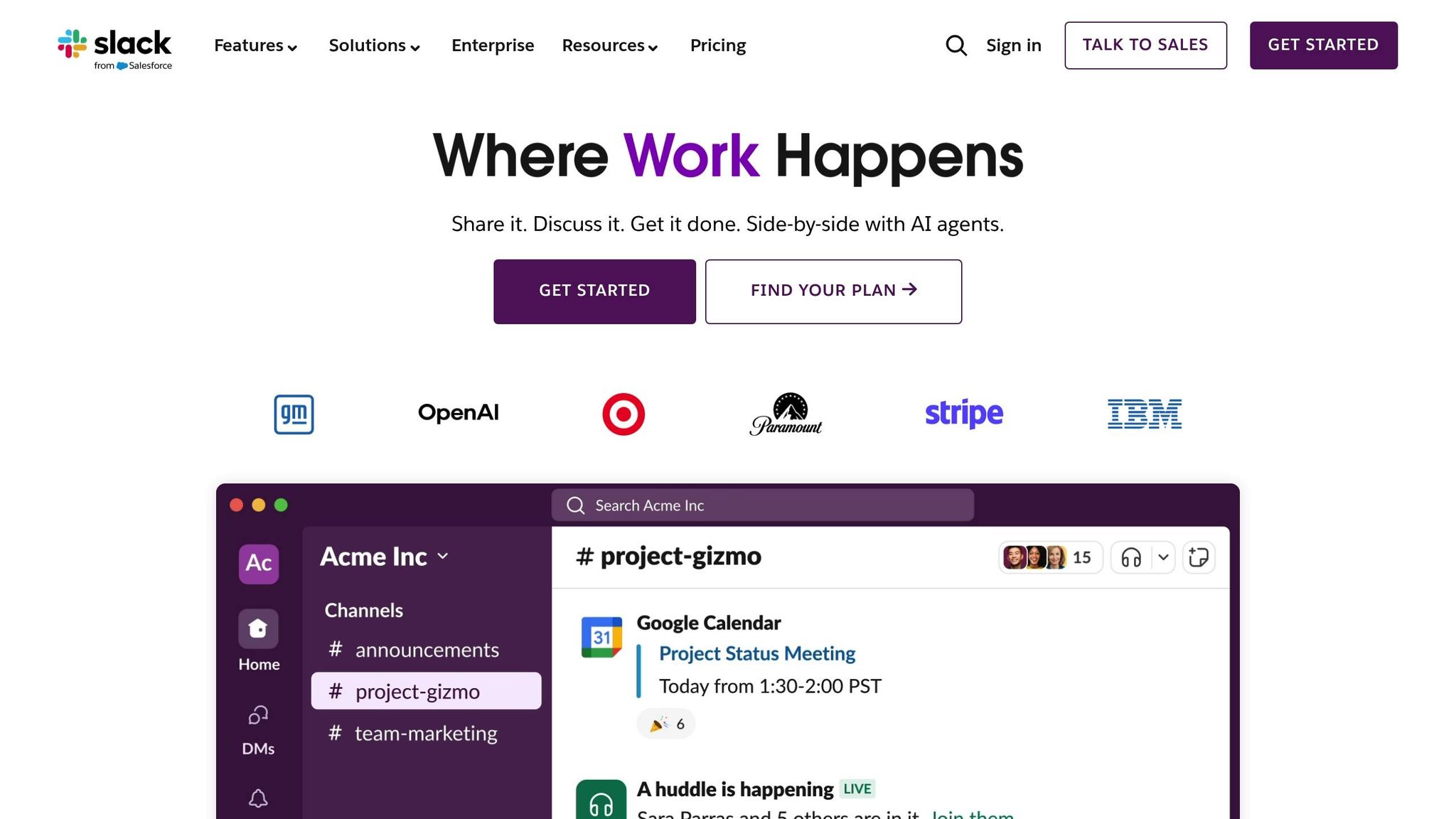
When it comes to remote networking, tools like Slack, Meetup, and Reddit can open up opportunities you might not find through traditional methods. Each platform serves a specific purpose, and using them wisely can help you grow your network and build meaningful professional relationships.
Slack communities are perfect for real-time discussions with others in your field. Unlike broader social media platforms, these groups are usually built around specific industries or interests, making the conversations more focused and relevant. For instance, RemoteWoman is a free Slack group where women working remotely can connect through channels like #advice-mentors, #remote-jobs, and #resumereview. Similarly, the Changelog community for developers has over 39,000 members and offers unique benefits to its participants. To make the most of Slack, join channels that align with your expertise, ask thoughtful questions, and contribute by sharing advice or collaborating on projects. Whether it’s offering a code review or organizing a virtual brainstorming session, these interactions can lead to meaningful connections.
Meetup, on the other hand, organizes virtual events and groups to bring professionals together. According to a survey, 72% of professionals said Meetup helped them form career connections that led to new jobs or business opportunities. By setting clear networking goals before attending a Meetup event, you can make the most of these gatherings. Whether you’re exploring tech-focused groups or industry-specific meetups, these events can keep you informed about trends and allow you to learn directly from experts.
Reddit is another powerful tool, offering niche communities through its subreddits. Spaces like r/RemoteWork, r/digitalnomad, and r/freelance are ideal for remote workers looking to exchange advice, share experiences, or even discover job opportunities. Danielle Hu, the founder of The Wanderlover, used Reddit to connect with fellow digital nomads, share her journey, and seek guidance on remote work opportunities. Reddit’s AMA (Ask Me Anything) sessions are particularly valuable for networking. As Reddit co-founder Alexis Ohanian explains:
"AMAs are an incredible way to connect with people you’d never get a chance to meet otherwise".
Following up with AMA hosts or participants can help turn these interactions into lasting relationships. Owen O’Neill, founder of Uni Compare, highlights the global reach of virtual communities:
"Virtual communities have incredible reach. You can connect with industry leaders across the globe who might be inaccessible in a traditional setting".
The key to succeeding on these platforms is to stay genuine, offer help before asking for it, and focus on building authentic connections. Whether you’re participating in a Slack channel, attending a Meetup, or contributing to a Reddit thread, thoughtful engagement can showcase your expertise and make you stand out to potential collaborators or employers.
sbb-itb-b7e60f3
9. Set clear networking goals and track your progress
Without a clear plan, remote networking can feel aimless and unproductive. By defining specific goals, you can turn casual online interactions into a focused strategy that helps grow your career in measurable ways.
As Vedran Rasic, CEO and Co-founder of LeadDelta, puts it:
"Successful networking starts with knowing your purpose".
Start with self-reflection to pinpoint your reasons for networking. Think about what you’re hoping to achieve – whether it’s advancing your career, gaining new skills, or expanding your industry knowledge.
Prioritize your networking needs by deciding what you want from your connections. Are you seeking potential collaborators, mentors, or professional growth opportunities? Also, consider how much time you can realistically commit each week – whether that’s 30 minutes or a few hours. This helps you focus on building the relationships that matter most to your goals.
Evaluate your current network to identify strengths and gaps. Who in your circle is already helpful? Where do you need to strengthen your connections? For example, you might realize you need more senior-level contacts, peers in a different field, or experts in a specific niche.
Set SMART goals to give your networking efforts clarity and direction. Instead of vague ideas like "meet more people", aim for something specific – such as connecting with 10 industry professionals by the end of the month.
Break down your goals and track progress to stay on course. Divide your objectives into smaller, manageable targets – for instance, connecting with five new people each week. Use tools like spreadsheets or apps to track your activities, whether it’s sending LinkedIn messages, attending virtual events, or following up with contacts.
Experts caution, though:
"Time tracking tools are excellent for reaching targeted goals, but they aren’t magical devices that tell you whether you’re doing well immediately".
Review and adjust regularly to refine your approach. Weekly check-ins can help you identify which strategies are working and which need tweaking. Monthly reviews are a chance to see if your goals still align with your career path. Sharing your progress with a mentor or colleague can also provide valuable feedback.
The secret to success is starting small and staying consistent. Make networking a habit by incorporating simple actions into your daily routine – like sending a LinkedIn request or leaving a thoughtful comment on an industry post. Over time, these small efforts add up, leading to meaningful professional relationships that can propel your remote career forward. By combining this structured approach with earlier proactive strategies, you’ll ensure your networking efforts deliver real results.
10. Maintain existing relationships with regular check-ins
In a remote work setting, keeping up with regular check-ins is just as important as forming those initial connections. Building relationships is only the first step – what truly matters is nurturing them over time. Unfortunately, many remote professionals let valuable connections fade after the initial interaction, missing out on potential opportunities that could arise from maintaining those bonds.
Think of these relationships like friendships – they need consistent care to grow into lasting partnerships. Setting aside time and effort to stay connected is a small investment that can yield significant returns.
Create a System for Staying in Touch
Instead of relying on memory or chance encounters, establish a structured plan for maintaining contact. This doesn’t mean overwhelming people with messages; it’s about creating meaningful touchpoints that bring value to both sides. Digital tools can help you stay organized and intentional.
CRM tools, such as HubSpot or Zoho, are particularly useful for managing your connections. These platforms let you log interactions, set reminders for follow-ups, and ensure no relationship falls through the cracks.
Tailor Your Check-Ins
Adjust the frequency and type of communication based on the nature of each relationship. For close professional contacts, consider scheduling monthly video calls to discuss projects and share updates. For more casual connections, quarterly emails or LinkedIn messages can help keep the relationship alive without being overbearing.
When dealing with contacts across different time zones, asynchronous communication works best. Sending thoughtful messages that don’t require an immediate response allows your contacts to reply at their convenience. This approach is especially helpful for international connections, where real-time conversations can be tricky to coordinate.
Show Genuine Interest
Engage with your contacts’ professional milestones and updates. For example, if someone shares a career achievement on LinkedIn, take the time to leave a meaningful comment instead of just liking the post. These small gestures demonstrate that you value the relationship and are paying attention.
You can also add value by sharing relevant industry insights, introducing helpful contacts, or even offering assistance with their projects. The goal isn’t just to stay on their radar – it’s to build a relationship that benefits both parties.
Stay Consistent
Consistent, brief interactions are often more effective than sporadic, lengthy conversations, especially in remote work environments where everyone is juggling their own priorities. By integrating these strategies into your routine and using tools like spreadsheets or CRM automation to track your efforts, you can ensure that no important relationship gets overlooked.
11. Personalize Connection Requests and Messages
Sending out generic connection requests? That’s the fastest way to be ignored in today’s busy digital world. If you want to build a strong, remote-friendly network, personalization is the key to standing out and forming meaningful connections.
Here’s some proof: In February 2025, SalesBread analyzed over 1 million LinkedIn connection requests. They found that personalized messages – highlighting shared traits like industry, location, or job title – achieved a connection rate of over 65%. Jack Reamer, CEO of SalesBread, led this study, testing thousands of message templates to uncover what drives acceptance rates. The takeaway? Messages that reference shared interests and goals perform far better than generic ones.
"Personalized connection requests capture the recipient’s attention and increase the likelihood of acceptance."
Research Before Reaching Out
Before clicking "Connect", take a few minutes to review the person’s profile. Look for shared experiences, mutual connections, or notable achievements you can mention. This small effort shows genuine interest and separates you from those simply collecting contacts.
Check out their recent posts, articles they’ve shared, or projects they’ve highlighted. Did they just celebrate a work anniversary or share insights on a topic you care about? Use that as your starting point. These details help you craft a message that feels sincere, not robotic.
Write Messages That Get Noticed
A strong connection request includes four essential parts: a warm greeting, context for reaching out, your reason for connecting, and a friendly closing. Here are a few examples to get you started:
- When mentioning mutual connections:
"Hi [Name], I noticed we both know [Mutual Connection]. I’ve always admired their work in [Field], and I see we share similar interests. I’d love to connect!" - When offering value upfront:
"Hi [Name], I recently came across an article about [Topic] that I think could be helpful for your work in [Field]. I’d love to discuss it further and share more insights." - When reconnecting with former colleagues:
"Hi [Name], I really enjoyed working with you on [Project]. I’d love to stay in touch and explore more opportunities to collaborate."
These examples, adapted from SalesBread’s findings, show how a thoughtful approach can make all the difference.
Focus on Them, Not You
The best personalized messages shine a spotlight on the recipient’s interests and accomplishments, not your own agenda. Mention something specific from their profile that stood out to you – whether it’s a recent promotion, an article they wrote, or a project they’re involved in.
"Always make it about them, never about you." – Eleanor Goold, Founder at Kreativ Copywriting
Instead of starting with what you want, lead with what you admire about their work or how you might be able to help. This approach turns your message into the start of a meaningful conversation, rather than just another request.
Keep the Momentum Going
Personalization doesn’t end once your connection request is accepted. Follow up with a quick thank-you message to keep the dialogue alive. If you promised to share a resource or article, make sure to follow through within a few days.
"Sending a personalized LinkedIn connection request is a small gesture that can lead to significant professional relationships. It’s not just about adding another contact – it’s about starting a meaningful conversation and building a network that adds value to both parties." – Madumitha Mathimaran
Personalized notes also help the recipient remember why they connected with you in the first place. This foundation makes future interactions smoother and more productive, paving the way for a relationship that benefits both sides over time.
12. Seek Out Mentorship and Offer Support to Others
Building a strong remote network thrives on two key actions: seeking mentorship and offering support. Successful remote professionals understand that mentorship is a two-way street. It’s about learning from seasoned leaders while also guiding those who are just starting out. This give-and-take approach creates a foundation for meaningful mentorship and shared growth.
With 12.7% of full-time employees working remotely and 28.2% adopting hybrid work models, remote mentoring has taken on a new level of importance. These changes have opened doors to connect with mentors and mentees beyond geographic limitations, making it easier to build relationships that were once confined to local circles.
Finding the Right Mentor
Start by clarifying your goals. Are you aiming to climb the ladder in your current field, transition to a new industry, or hone specific skills? Knowing what you need helps you find mentors who can provide focused advice instead of generic guidance.
Professional platforms like LinkedIn are great tools for this. Look for leaders in your industry, engage with their content, and participate in virtual events to build connections.
"It’s like kissing on a first date. It’s weird… Invite them to coffee. Just get to know them. And if you like them and are like, ‘Hey, would you be open to get coffee again maybe in a couple months?’ If the chemistry is there, then you do your pitch."
- Cara Heilmann, President at International Association of Career Coaches
Supporting Others in Your Network
While seeking mentorship, don’t forget to give back. Sharing your expertise with others – whether it’s about digital marketing, managing remote teams, or tackling specific industry challenges – can make a big impact. You can share relevant articles, host informal discussions, or offer advice on projects. Beyond that, celebrate others’ achievements, provide encouragement during tough times, and connect them with resources or contacts that could help them grow.
The Benefits Work Both Ways
Mentorship isn’t just about helping the mentee – it’s a win-win. A study from Boston University found that mentors in structured programs often gained more than they expected, including improved management skills and valuable insights from employees. Mentees, on the other hand, benefit from skill-building, career guidance, and advocacy from experienced professionals. Mentors also gain fresh perspectives, strengthen their leadership abilities, and often rediscover their passion for their work through teaching. These mutual benefits make mentorship an enriching experience for everyone involved.
Making Remote Mentorship Effective
Remote mentoring comes with perks like flexibility, cost savings, and access to a global pool of talent. Being able to connect across locations means you’re more likely to find the right fit for your goals or expertise. To make it work, establish clear communication and set expectations early in the relationship.
It’s also crucial to assess a company’s support system for mentorship. Remote career coach Juliana Rabbi suggests asking direct questions during onboarding:
"Try asking the question, ‘What is expected of me in terms of deliverables for this role within the first 90 days?’"
- Juliana Rabbi, Remote Career Coach
This can help you determine whether the organization prioritizes mentorship and support for remote employees. By actively seeking guidance while supporting others, you can build a network that’s not just professionally advantageous but also personally rewarding.
13. Participate in virtual team-building activities
Virtual team-building activities play a crucial role in strengthening connections within remote teams. These activities go beyond daily tasks, helping to build trust and camaraderie – something that can be harder to achieve without face-to-face interaction. They create opportunities for teams to bond and share experiences in a meaningful way.
Here’s why this matters: socializing as a team can improve communication by over 50%. Remote employees who engage in team-building activities are 64% more focused, report a 50% higher job satisfaction rate, and companies see a 41% reduction in absenteeism as a result.
There are plenty of ways to bring teams together virtually. Online games like trivia, charades, or virtual escape rooms provide shared moments of fun and friendly competition. Creative workshops – such as virtual cooking classes, painting sessions, or candle-making – allow team members to connect on a personal level while exploring new skills.
Wellness-focused activities are another great option. Virtual fitness challenges, yoga classes, or group meditation sessions not only promote health but also create a sense of unity around shared goals.
Simple icebreakers like Two Truths and a Lie, collaborative playlists where everyone adds their favorite songs, or virtual scavenger hunts can also help break down barriers and spark connections. For teams looking to deepen understanding, tools like personality assessments (e.g., Myers-Briggs) can clarify communication styles and improve collaboration.
Timing and intention are everything. Workplace strategist Erica Keswin emphasizes this point:
"In the post-pandemic era where many employees may see each other in person only once a week, a few times a month, or just a couple of times a year, there’s a renewed understanding of the need to be that much more intentional when we come together."
There are various platforms to support these activities. Team Building offers a range of games and experiences, while QuizBreaker provides subscription-based options for regular team engagement. Remo, on the other hand, creates virtual spaces where employees can interact naturally, mimicking casual water cooler conversations across time zones.
Consistency is key. Regularly scheduled team-building activities help remote workers adjust to distributed work environments while maintaining the personal connections that fuel a thriving professional network. With 73% of employees expressing a desire for their companies to invest more in team-building efforts, participating in these activities – whether organized by the company or initiated by team members – shows a commitment to fostering lasting, meaningful relationships.
14. Use video for more personal connections
Video calls take remote networking to the next level, turning text-based interactions into genuine human connections. Seeing someone’s facial expressions and body language makes conversations feel more natural and memorable, helping you build lasting professional relationships that go beyond surface-level exchanges.
Here’s a compelling fact: 58% of companies now rely on video conferencing daily, and 88% of employees report feeling more productive using it. Non-verbal communication – like gestures and expressions – makes up a staggering 93% of how effectively we communicate. Without video, these subtle but powerful elements are lost.
By using video, you can pick up on reactions and engagement that emails or phone calls simply can’t deliver. These visual cues allow you to adjust your tone or approach in real time, fostering authentic rapport. This makes video an invaluable tool for strengthening professional bonds.
Tips for a Professional Video Setup
Getting your technical setup right is key. Start with these basics:
- Camera Position: Place your camera at eye level or slightly above for a natural and flattering angle.
- Lighting: Use a ring light or LED panel to brighten your face evenly. Avoid sitting with windows behind you, as backlighting can make you hard to see.
- Background: Opt for a clean, professional setting or use a virtual background to keep distractions at bay.
When it comes to choosing a video platform, there are plenty of options to fit your needs and budget:
- Zoom: Pro plans start at $15.99/month.
- Google Meet: Free for up to 100 participants with a 60-minute limit.
- Microsoft Teams: Starts at $4 per user per month.
- Jitsi: A free, open-source solution.
These platforms provide the tools you need to stay connected and maintain a polished video presence.
Professional Video Etiquette
How you present yourself on video matters just as much as the technology. Test your audio and video before important calls, and always join on time. Mute yourself when you’re not speaking to avoid background noise. Dress appropriately for the camera, and maintain eye contact by looking into the lens rather than at the screen.
Regular video check-ins with your network – whether to discuss industry trends, share insights, or celebrate milestones – help keep your relationships strong and personal. Investing in quality video tools and maintaining a professional presence can elevate your virtual communication and bring a personal touch to your remote networking efforts.
15. Prepare a concise elevator pitch for introductions
Your elevator pitch is your digital handshake. In just 30–60 seconds, it can open doors to opportunities, partnerships, and meaningful connections. With so much of our networking happening online, your pitch is often your first impression in virtual meetings or digital events.
A good elevator pitch follows a simple structure: introduce yourself, summarize what you do, explain what you’re looking for, and emphasize how your work benefits others. This last part is key – focusing on the value you bring makes your pitch more memorable.
"Concentrate on what you do for others rather than what you do. It’s a subtle but important shift that makes all the difference in how people hear and retain what you do."
- Becky Colwell, Sales Coach & Business Mentor at Heart to Heart Sales
The best pitches are clear, concise, and delivered with confidence. Start with your name and a warm greeting to create a positive vibe. Then, highlight your most relevant skills or achievements. Avoid using industry jargon unless you’re speaking to a technical audience.
Here’s how you can tailor your pitch for different scenarios:
In a job interview:
"Hi, I’m Priya Khan. I’m an accountant with four years of experience managing budgets for mid-sized firms. By improving processes, I’ve reduced costs by 15% and recently earned my CPA. I’m excited about the chance to contribute to your finance team – would you be open to discussing this further?"
At a networking event:
"Hi, I’m Chris Nguyen. I specialize in digital marketing and have six years of experience driving campaigns that boosted client revenue by 20%. I’m really impressed by your work in nonprofit branding – could we exchange contact information to explore ways we might collaborate?"
Customizing your pitch is crucial, especially in remote settings. Research your audience beforehand and tailor your message to their interests or challenges. Mentioning a recent project or showing genuine interest in their work can make your pitch stand out.
"Tailor your pitch to the specific needs and interests of your listener."
- Dan Chan, Sage of Silicon Valley
Practice makes perfect, but instead of memorizing a script, use bullet points to keep your delivery natural. For virtual meetings, maintain eye contact by looking into the camera and use open body language to create a connection, even through a screen.
Finally, wrap up your pitch with a clear next step. Whether it’s exchanging contact information, scheduling a follow-up, or proposing a collaboration, this final touch turns a brief introduction into the start of a meaningful professional relationship.
"Always hand out your contact information and establish a connection with your audience even after you give your elevator pitch."
- Sebastian Montoya, Co-founder at MNA Community
Using Remote Success Hub

Remote Success Hub combines the networking strategies discussed earlier into a single platform tailored for remote professionals. Whether you’re a freelancer, digital nomad, or remote employee, it provides tools, expert resources, and community spaces to help you build meaningful professional connections from anywhere.
The platform’s expert guides offer step-by-step advice on refining your LinkedIn profile and crafting a compelling elevator pitch. These guides are grounded in tried-and-tested strategies and real-life success stories from remote professionals who’ve advanced their careers.
"At Remote Success Hub, we’re passionate about building a space where remote workers, freelancers, and digital nomads can access trusted resources, tools, and support to grow their careers."
The community forums create an organized space for discussions based on industry, skills, and interests. These forums make it easy to share insights, join conversations, and connect with professionals who share your goals. It’s a practical way to apply networking tips like sharing valuable content and engaging with others in meaningful discussions.
Community events hosted on the platform offer a variety of virtual networking opportunities. From industry-specific webinars to casual virtual coffee chats, the events calendar helps you plan and track opportunities to connect with others.
In addition to educational resources and events, Remote Success Hub includes productivity tools to streamline your networking efforts. You can set goals, track outreach, and manage follow-ups all in one place. This system helps you maintain existing connections while consistently expanding your network – a balance that’s essential for remote professionals.
"We believe in connection, freedom, and empowering individuals to succeed from anywhere."
One of the standout aspects of Remote Success Hub is its focus on building genuine relationships over superficial connections. Just as earlier strategies highlighted the importance of authenticity, the platform encourages members to engage in meaningful communication and collaborative projects. These initiatives provide practical ways to apply networking skills in real-world scenarios, fostering a sense of community and shared purpose.
The platform also supports transparency and inclusivity, offering channels for mentorship and opportunities to share expertise. This creates an environment where connections are mutually beneficial, and members feel empowered to contribute and grow.
Remote Success Hub offers both free resources and premium features, making it accessible for those just starting out while providing advanced tools for professionals looking to deepen their networking efforts. By integrating these features, the platform transforms the strategies discussed earlier into a dynamic and interactive networking experience tailored to the needs of remote professionals.
Networking Platform Comparison
Selecting the right networking platform can significantly influence your success in building professional relationships remotely. Each platform offers unique strengths tailored to different networking needs. Here’s a quick breakdown to help you decide which one aligns best with your goals.
| Platform | Best For | Key Strengths | Limitations | Cost |
|---|---|---|---|---|
| Professional branding, job searching, industry connections | Over 900 million users, robust search tools, content creation features, industry-specific groups | Can feel impersonal and demands consistent engagement | Free basic / $29.99 per month Premium | |
| Slack | Real-time collaboration, niche communities, team communication | Seamless integrations, customizable interface, instant messaging, file sharing | Free version limits message history and can become distracting | Free basic / $8.75 per month Pro |
| Meetup | Interest-based networking, virtual events, local connections | Streamlined event planning, RSVP tools, diverse interest groups, casual atmosphere | Event quality varies and requires active participation | Free basic / $23.99 per month Plus |
| Remote Success Hub | Comprehensive remote networking, skill development, community support | Designed for remote professionals with productivity tools, expert resources, and mentorship options | A newer platform with a growing user base | Free access / Premium pricing varies |
LinkedIn is a go-to platform for professional branding and job hunting. With over 900 million users, it’s a powerhouse for connecting with industry leaders and showcasing expertise. According to a LinkedIn study, 80% of professionals believe networking is crucial for career growth. While the platform excels at establishing thought leadership through content sharing, it requires regular interaction to maintain meaningful connections.
Slack stands out for real-time collaboration, especially among tech and creative professionals. It’s ideal for niche communities and team communication. Brian Elliott, Slack’s Senior Vice President, highlights its adaptable approach:
"When it comes to designing a workplace policy, we believe that ‘One Size Fits None.’ There is not a single model that works for everyone, so we want to empower each of our employees to identify a schedule and location that optimizes their personal and professional success, align their plan with their team’s needs and dynamics, then continuously iterate to accommodate future adjustments."
Meetup caters to those seeking interest-based networking in a casual setting. It’s great for connecting with like-minded individuals through virtual events or local meetups. Naomi Pearse, Daemon Analyst Consultant, shares:
"Many networking events feel pressured, but meet-ups are really informal. Everyone there has a shared interest so there’s always something to talk about. It’s a much more comfortable environment for people who struggle to network."
The platform thrives on shared interests, though the quality of events can vary.
Remote Success Hub takes a different approach by combining networking with tools specifically designed for remote professionals. It offers features like productivity resources, expert guides, and mentorship opportunities, making it a comprehensive choice for those working remotely. While it’s still growing its user base, it provides a unique blend of support for career development in remote settings.
When choosing a platform, consider your specific networking objectives. LinkedIn is perfect for building your professional identity and exploring job opportunities. Slack is best for ongoing collaboration and connecting with niche groups. Meetup provides a relaxed space for engaging with others who share your interests. For remote professionals, Remote Success Hub brings it all together with tailored tools and resources. Using these platforms strategically can help you build a strong foundation for remote networking success.
Conclusion
Remote networking has become more crucial than ever, especially with 1 in 4 paid workdays in the U.S. being remote in 2024. As the workforce becomes increasingly distributed, networking strategies need to adapt to this new reality.
The 15 tips outlined here provide a guide to building genuine and lasting remote connections. The key lies in personalizing your interactions – whether you’re sending tailored LinkedIn connection requests, engaging in virtual events, or scheduling one-on-one video calls. Remote networking isn’t just about expanding your contact list; it’s about cultivating relationships that bring value to both parties over time. Regular check-ins, active participation in online communities, and sharing useful content are all part of maintaining consistency, which is essential for success. Building strong professional relationships takes time and effort – it’s a marathon, not a sprint.
Virtual work hubs are now indispensable tools for connection and collaboration among remote teams. Platforms like Remote Success Hub blend networking and productivity tools, offering a centralized space for career growth. These tools simplify the process by combining effective strategies with resources that support your networking goals.
Among the 15 strategies, setting clear goals and tracking your progress are fundamental to achieving long-term success. Whether you’re using LinkedIn to enhance your professional presence, participating in Slack communities for real-time discussions, or joining Meetup events to connect with like-minded individuals, each platform plays a unique role in your overall networking approach.
Success in remote networking also depends on your willingness to give back – offering mentorship, sharing insights, collaborating on projects, and supporting others in your network. This creates a foundation for meaningful, mutually beneficial relationships.
As remote work continues to grow, mastering these strategies will give you a competitive edge. The future belongs to those who can build strong digital connections while keeping the human element intact.
FAQs
What’s the best way to personalize LinkedIn connection requests to improve acceptance rates?
To make your LinkedIn connection requests more effective and increase the chances of acceptance, aim to be specific and sincere. Clearly explain why you’re reaching out – whether it’s a shared interest, a mutual connection, or respect for their work. Keep your message short and approachable, while showing genuine interest in building a connection. For instance, you could mention a recent post they shared or a project they’re working on. These small, thoughtful details help your request feel more personal and memorable.
How can I balance synchronous and asynchronous communication when collaborating with global remote teams?
To strike a good balance between synchronous and asynchronous communication in global remote teams, start by clearly defining the role of each method. Use synchronous tools – like video conferencing or instant messaging – for urgent matters, high-priority tasks, or sensitive conversations that need immediate input. On the other hand, turn to asynchronous options – such as email, shared documents, or project management tools – for non-urgent updates or detailed project discussions.
Set clear communication guidelines so team members understand which tools to use in different scenarios. Be mindful of time zones to minimize delays and disruptions. This approach not only reduces unnecessary communication but also keeps your team organized, productive, and connected.
How can I keep my professional relationships strong while working remotely?
Maintaining strong professional relationships while working remotely takes ongoing effort and intentional communication. Regular video check-ins are a great way to keep that personal connection alive and build trust within your team. It’s also important to stay responsive, show empathy, and be mindful of time zones or other differences that might affect your colleagues.
Incorporating virtual social activities, like team-building exercises or informal chats, can help create a sense of camaraderie. Even small actions, like celebrating milestones or recognizing someone’s achievements, can make a big difference in strengthening relationships. By staying approachable and actively engaging with your team, you can cultivate connections that remain strong over time.